It's one of the most common questions we hear from parents of little ones: from what age can a child start gymnastics? The short answer: usually around 3 to 4 years old. But age on paper is only the start — the stage of development, the child's character and how the classes are run matter just as much. In this guide we break the topic down, calmly and without pressure.
From what age is gymnastics for a child — the shortest answer
Most studios and clubs take children into general development gymnastics classes from the age of 3. That's the point where a little one usually walks and runs well, can focus their attention for a moment and likes to imitate adults. Classes for the youngest aren't yet 'sport' in the classic sense — they're movement play that builds the foundation for later gymnastics, acrobatics or dance.
The younger the child, the more the format of the class matters: short blocks, lots of play, few commands. Specific technical elements only come with age.
What a child learns at different ages
3–4 years: movement play
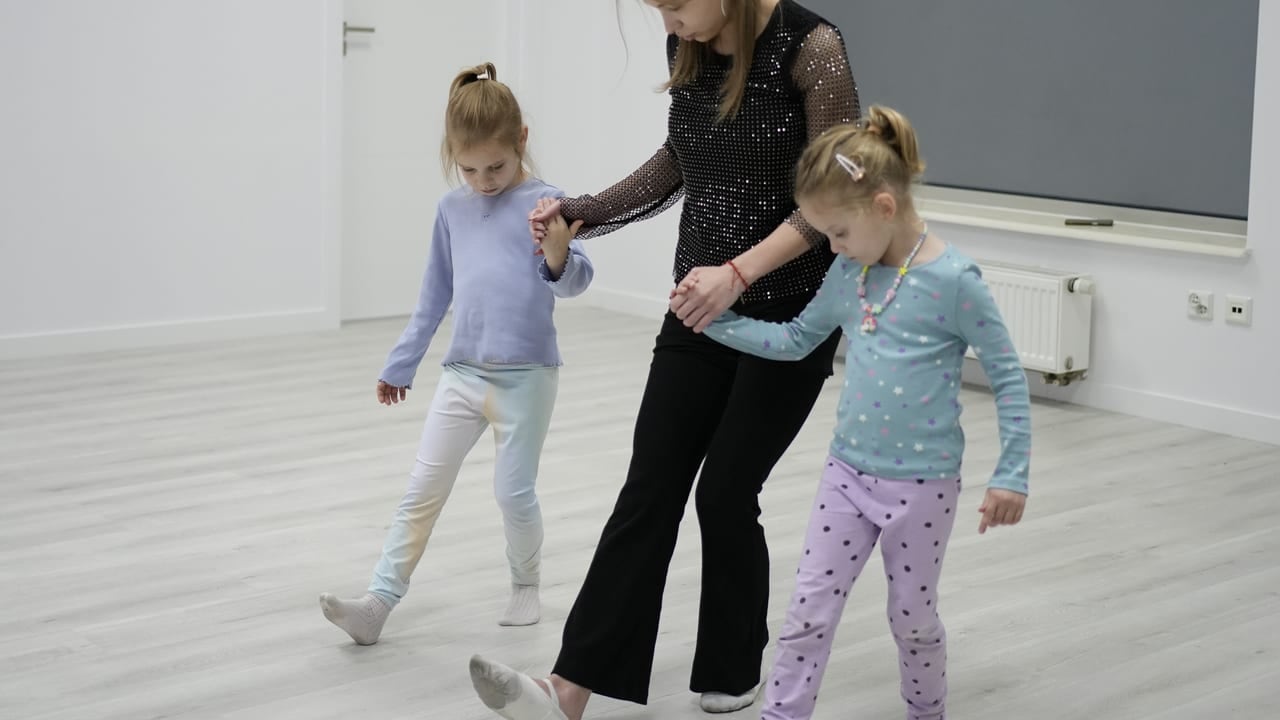
At this stage, the joy of movement and a sense of safety matter most. Children learn to respond to simple instructions, work through obstacle courses, roll, jump and practise balance on low apparatus. It's a time of building coordination and trust in the coach — without judgement and without competition.
5–6 years: first technical elements
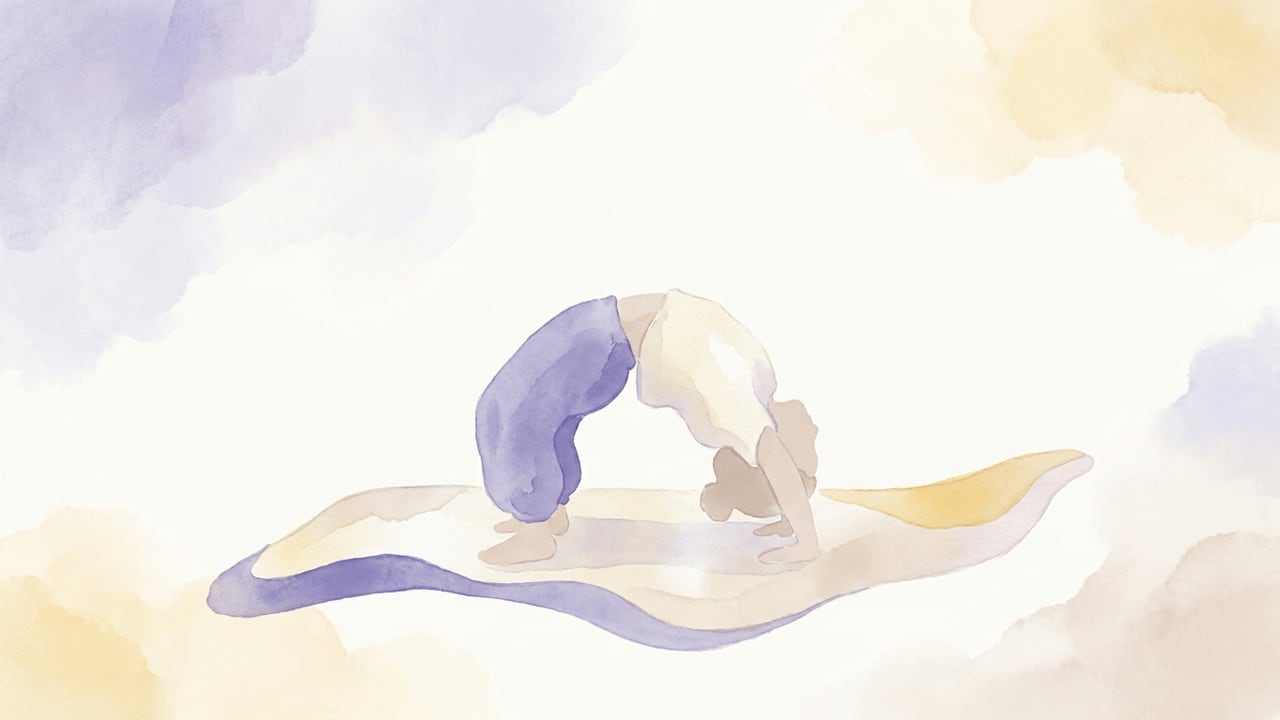
Five- and six-year-olds can already focus for longer and consciously repeat a movement. The first gymnastic elements appear: forward rolls, the bridge, the candle (shoulder stand), a handstand against the wall with support. The child starts to understand that an exercise is repeated and gets better each time — an important lesson in patience.
7 years and up: conscious training
Older children are ready for more structured classes, longer sequences and work on specific skills. It's also a good moment for the child to choose a direction — e.g. gymnastics or acrobatics, dance or cheerleading.
How to recognise that your child is ready
Instead of looking only at age, pay attention to a few practical signs of readiness:
- Independence in class — the child can stay with the coach without a parent for at least a dozen or so minutes.
- Responding to simple instructions — 'sit down', 'jump', 'go to the mat' aren't a challenge.
- Interest in movement — the little one climbs, jumps, dances at home and imitates on their own.
- Basic coordination — runs, kicks a ball, climbs stairs with alternating feet.
If a few of these points sound familiar — that's a good sign. And if your child is very shy, a small, intimate group will be a much easier start for them than a big, loud hall.
Why it's worth starting with gymnastics
Gymnastics is one of the best movement 'foundations' for a child. It develops coordination, strength, flexibility and balance all at once, teaches awareness of one's own body and gives a base for any other sport. We write more about how movement shapes a little one's development in the article how sport shapes a child's development at 3–6 years.
The emotional side is just as important: mastering a new element — the first roll or bridge — gives a child a huge boost of self-confidence. That feeling of 'I did it' stays with them for a long time.
First classes at PALMA Studio
At PALMA Studio in Wroclaw's Krzyki district we run gymnastics and acrobatics classes for children in small groups, matched to the children's age and level. We focus on safety, gently introducing elements and an atmosphere where a little one wants to come back to the mat. If you're not sure whether your child is ready — take a look at the gymnastics class schedule in Wroclaw and come to a trial class to check it in practice.
Want to check whether gymnastics is right for your child? Sign them up for a trial class at PALMA Studio in Wroclaw.
Sign your child up for a trial class