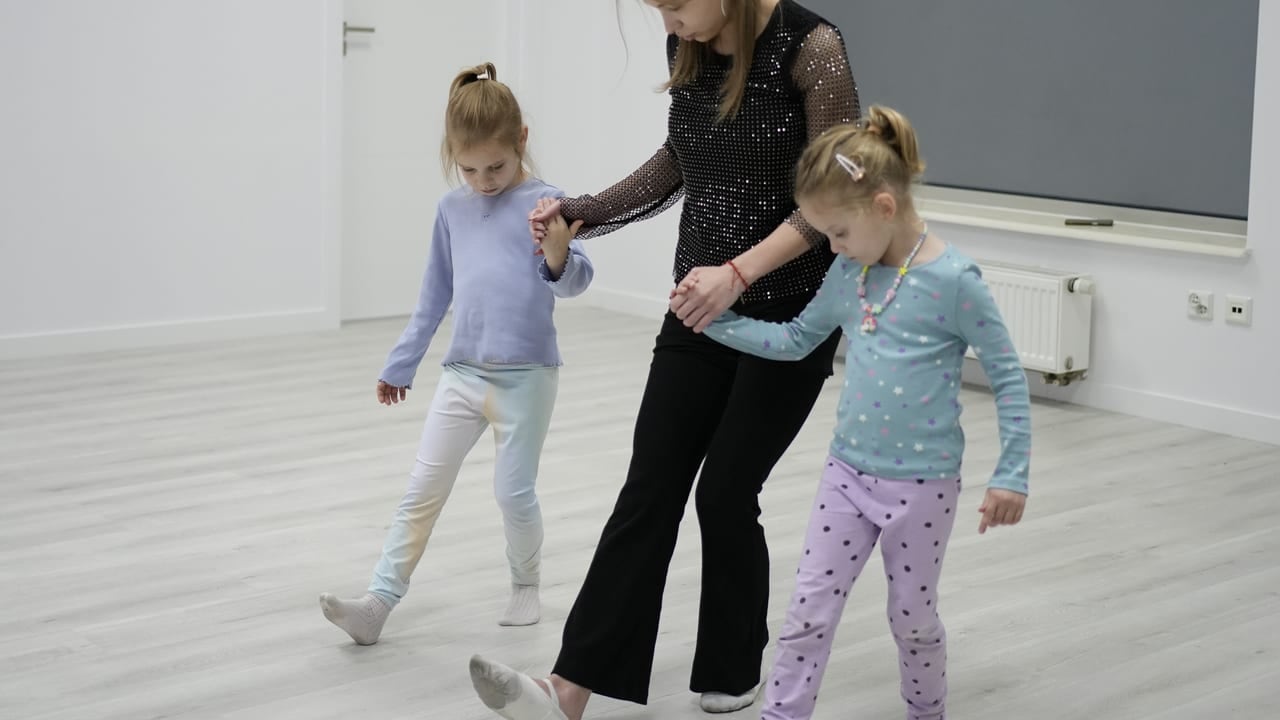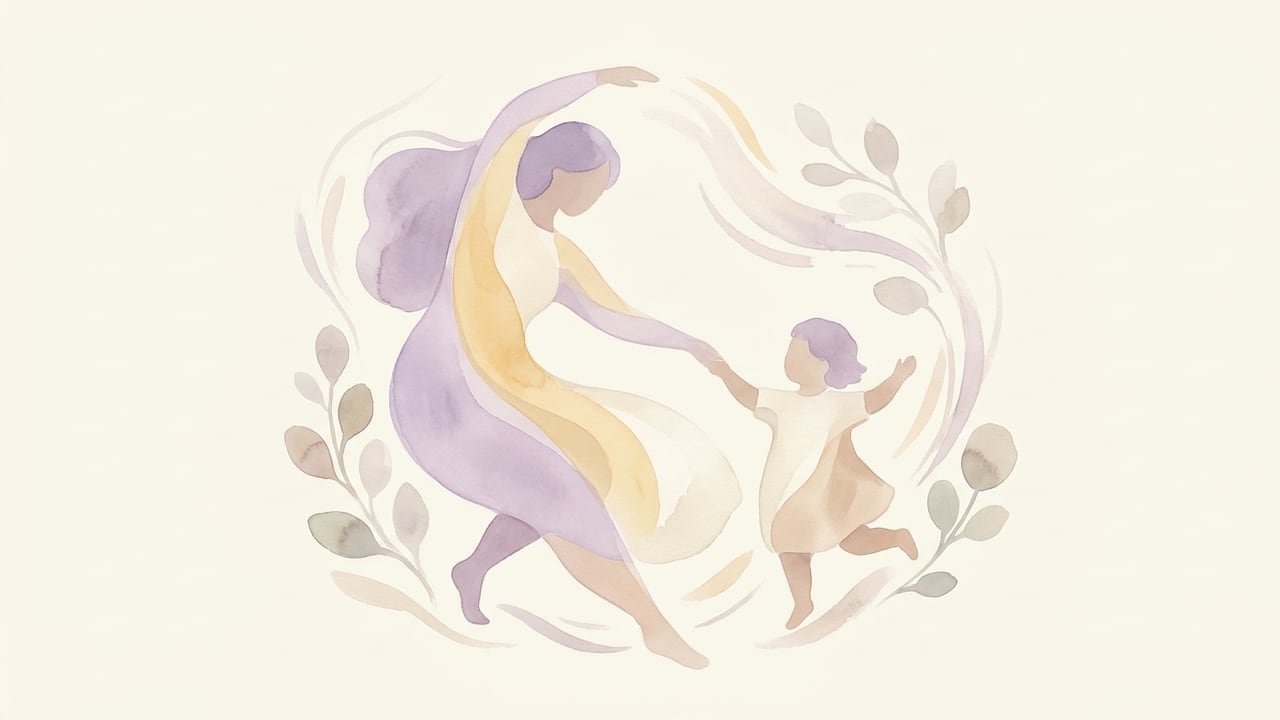
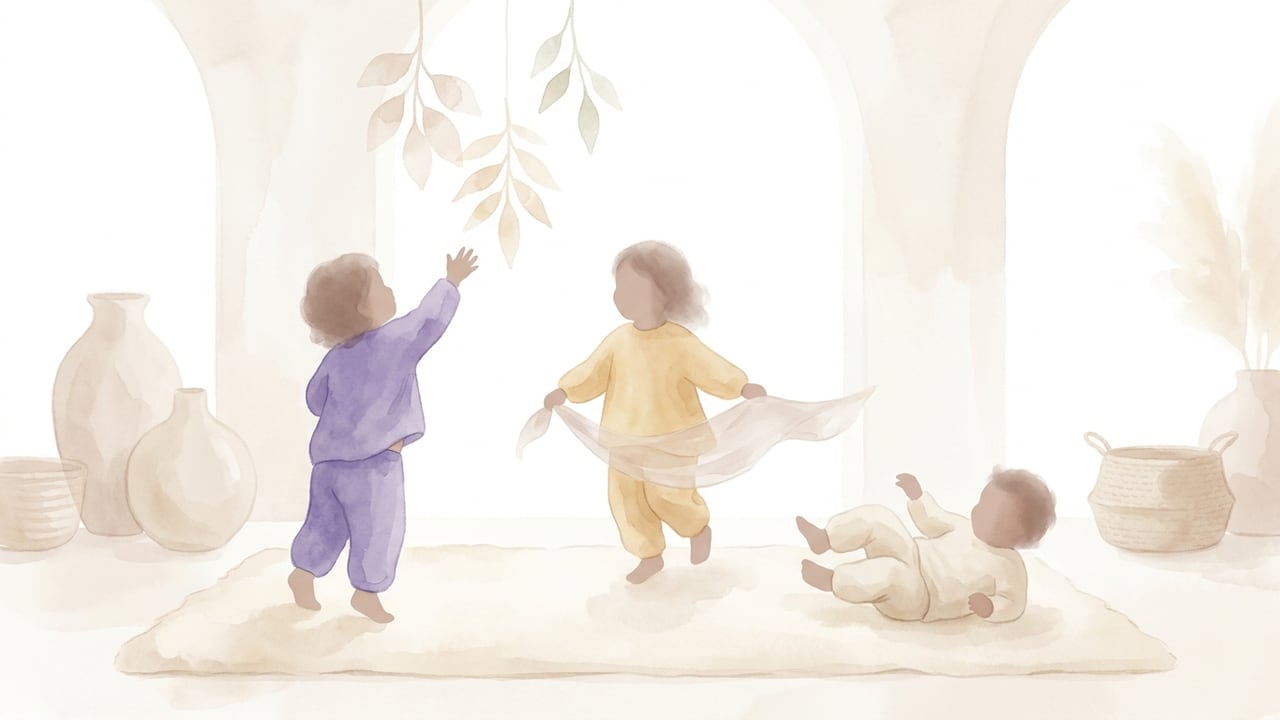
The ages of 3 to 6 are a time of remarkably fast development — a child learns to control their body at lightning speed, discovers the world and builds their first relationships with peers. Movement is key to all of this, because for a small child, physical activity is not only fitness but also learning, emotions and self-confidence. See exactly what your little one gains from regular movement play.
Physical development — a foundation for life
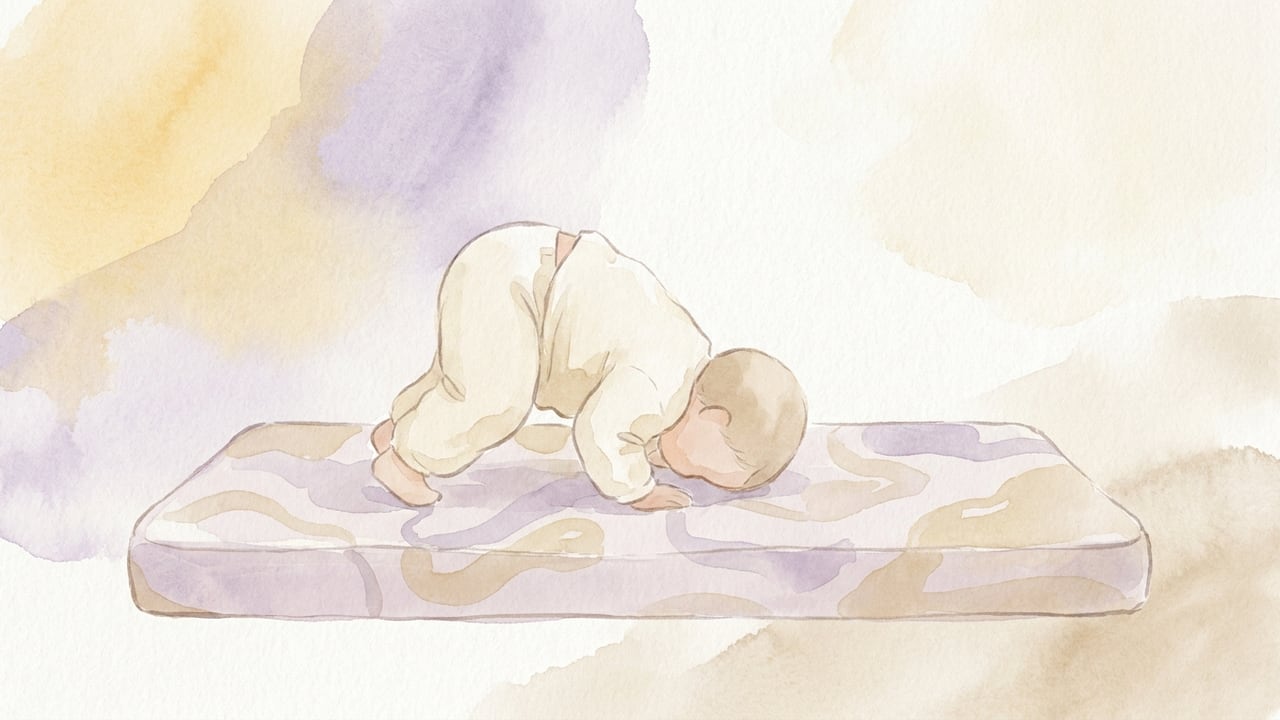
In the preschool years, the basic movement patterns take shape: running, jumping, climbing, catching, keeping balance. It's right now that a child builds the coordination, postural strength and flexibility that will pay off throughout life. The more varied the movement, the better — a child needs many stimuli, not one narrow specialisation.
Regular activity also supports good posture and counteracts the effects of a sedentary lifestyle, which today affects even the youngest.
Brain and concentration — movement teaches thinking
It may be surprising, but physical activity supports brain development. Working through an obstacle course, a child practises planning, memory and spatial orientation. Copying a sequence of movements, they train concentration and attention. Researchers stress that children who move a lot learn more easily and cope better with tasks that require focus.
Emotions and self-confidence
Mastering a new skill — the first roll, jump or dance step — gives a child a sense of agency: 'I can do it!'. This builds healthy self-esteem and resilience to difficulties. Classes in a group also teach cooperation, waiting for your turn and coping with emotions when something doesn't work right away.
Relationships and social skills
Moving together is a natural lesson in group life. A child learns to listen to the coach, cooperate with others and take joy in shared play. In a small group, where every little one is noticed, these skills develop especially well — without the stress of a big, anonymous crowd.
How to support a small child wisely
A few simple rules that make a huge difference:
- Focus on play, not the result. At this age, what matters is the joy of movement, not medals.
- Choose variety. Gymnastics, dance, movement games — the broader the base, the better.
- Look for small groups. A little one needs the coach's attention and a sense of safety.
- Don't compare. Every child develops at their own pace.
If you're wondering where to start, the article how to choose the first movement classes for a preschooler will help. And if you dream of moving together with your child — take a look at the text on physical activity for the whole family. You'll find all our children's classes in Wroclaw in one place.
Classes for the youngest at PALMA Studio
At PALMA Studio in Wroclaw (Krzyki) we create children's classes with a small child's natural needs in mind: lots of play, small groups and a caring team. Your child develops their body, concentration and self-confidence — and you can be sure they're in good hands. Check the class schedule for children — the best first step is a trial class.
Want to give your child a healthy, joyful start with movement? Sign them up for a trial class at PALMA Studio.
Sign your child up for a trial class